 Rio Ave Hub
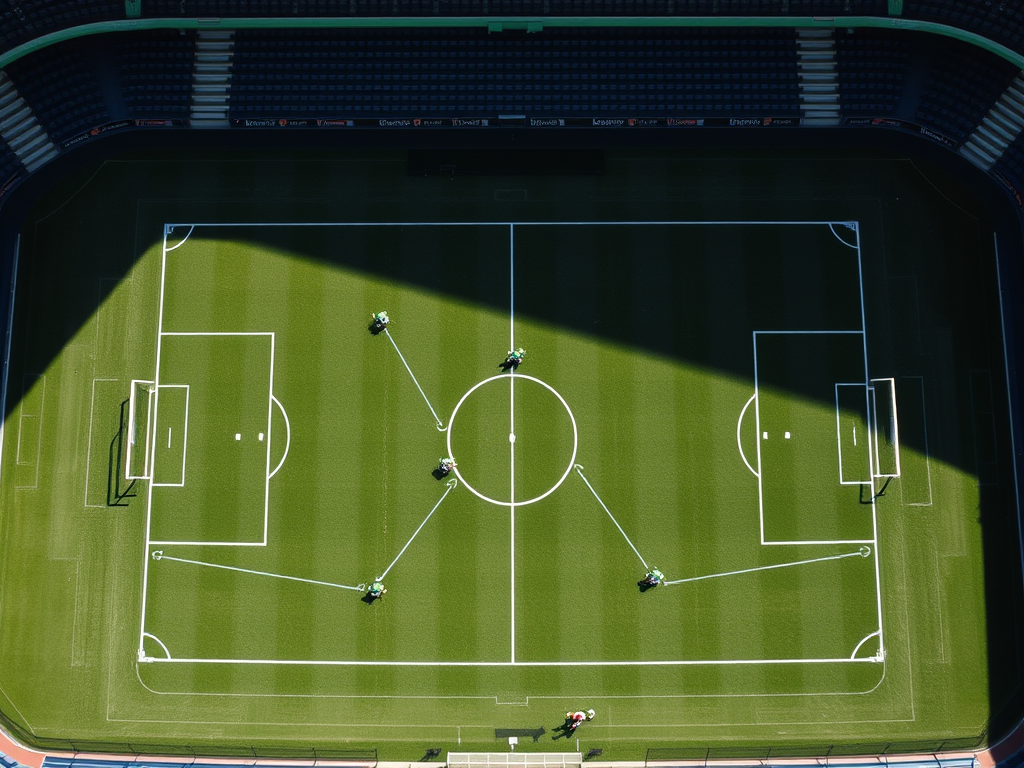
In recent matches, Rio Ave has shown an approach that, while competitive, lacks effectiveness in transitions and creating scoring opportunities. The team, under the coach's direction, has structured itself in a 4-2-3-1 system, but the lack of synchronization between the sectors has compromised performance, especially at critical moments in matches.
Current System Analysis
The 4-2-3-1 provides a good defensive balance, but the players' positioning has generated difficulties in offensive play construction. Midfielders B. Aguilera and J. Blesa have been essential in ball recovery, but they often find themselves isolated during transitions. Forward Diogo Bezerra, in turn, needs more support from the wingers to create finishing situations.
Suggested Adjustments
1. Shift to a 4-3-3: Transitioning to a 4-3-3 system could provide greater fluidity in midfield, allowing B. Aguilera to act as a pivot while J. Blesa and other attacking players get closer to Bezerra. This would increase pressure on the opposing defense and facilitate opportunity creation.
2. Increased High Pressing: Implementing a high-pressing strategy could help regain possession more quickly and create errors in the opponent's build-up play. The wingers, instead of dropping back, should be encouraged to press the opposing fullbacks and goalkeeper, forcing a more direct and rapid game.
3. Adjustments in Full-Backs: Full-backs should push forward more frequently, not only to provide width to the game but also to offer passing options for midfielders. This would not only open spaces in the opposing defensive sector but also allow wingers to cut inside and finish with greater ease.
Conclusion
These tactical adjustments are crucial for Rio Ave to maximize its potential and compete more effectively in the League. By adopting a more dynamic system, the team can not only improve its performance but also provide a more attractive and victorious style of football for the fans in Vila do Conde.